Messianic Psalms: The Anointed King and Suffering Servant (part 1)
Editor's Note: This article is an adapted excerpt from the book All the Promises of God are Fulfilled in Christ by Chris Brown.
March 7, 2026 - Chris Brown
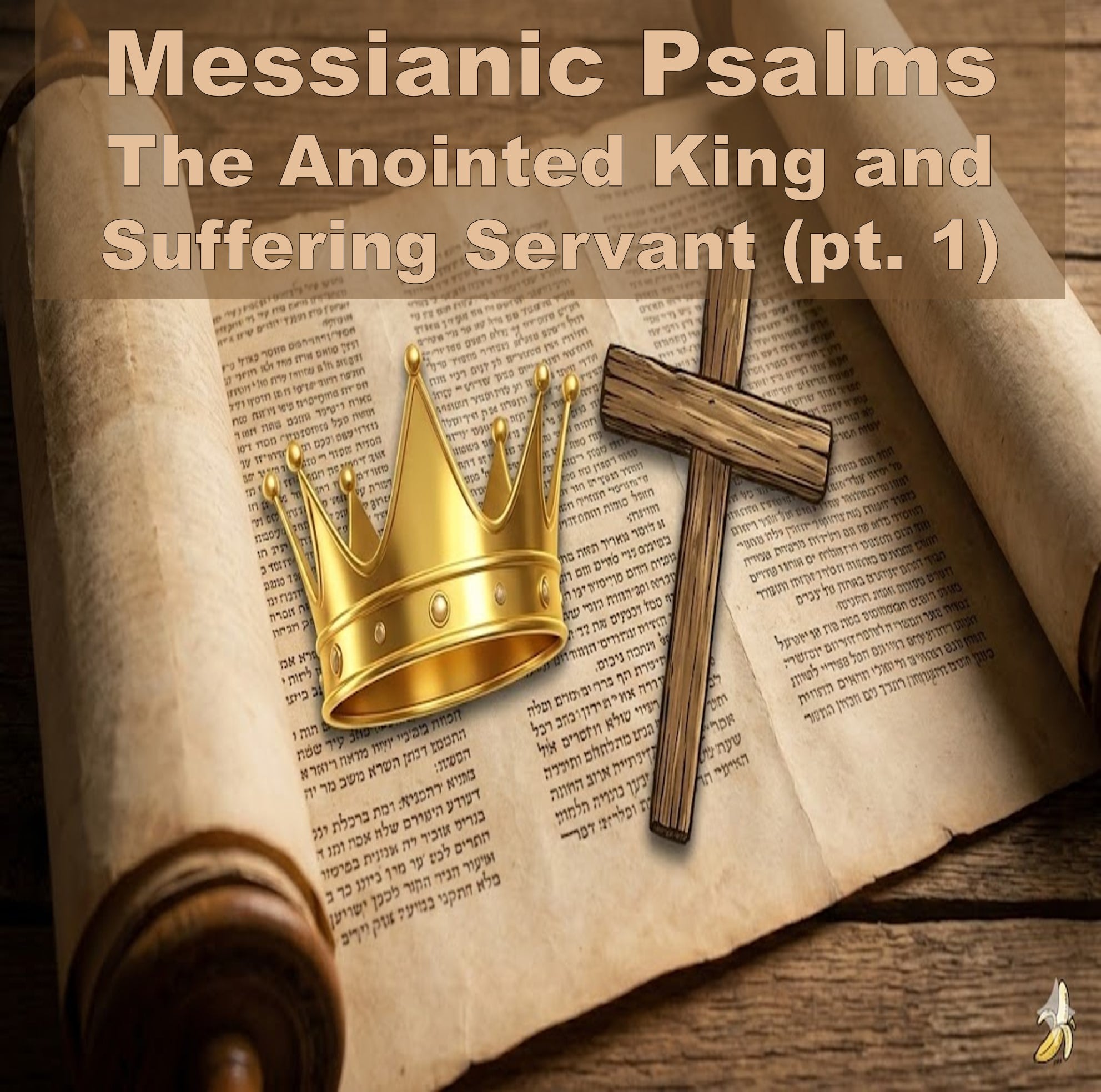



The Psalms provide some of the most detailed and numerous prophecies pointing to Christ, creating a rich tapestry of messianic expectation that the New Testament writers will extensively quote.
Psalm 2: The Divine King and His Universal Dominion
Psalm 2:7 presents a powerful messianic declaration: “I will tell of the decree: The Lord said to me, ‘You are my Son; today I have begotten you.’” This messianic psalm points directly to Christ as God’s Son, a truth affirmed repeatedly in the New Testament (Hebrews 1:5; Acts 13:33) as referring to the anointed King and ruler. The psalm speaks of God’s anointed one who will rule the nations, a promise fulfilled in Jesus’ resurrection and exaltation. Key verses include: “Why do the nations rage and the peoples plot in vain? The kings of the earth set themselves... against the Lord and against his Anointed” (2:1–2), and “Kiss the Son, lest he be angry, and you perish in the way” (2:12). This divine sonship distinguishes the Messiah from all earthly kings and establishes His unique relationship with the Father.
Psalm 8: The Son of Man’s Dominion
Psalm 8:4-6 presents the messianic theme of dominion over creation: “What is man that you are mindful of him, and the son of man that you care for him? Yet you have made him a little lower than the angels and crowned him with glory and honor. You have given him dominion over the works of your hands; you have put all things under his feet.” While this psalm speaks of humanity’s original dominion, the New Testament reveals its deeper messianic significance. Hebrews 2:6-9 applies this psalm directly to Jesus, noting that we do not yet see all things subjected to man, “but we see him who for a little while was made lower than the angels, namely Jesus, crowned with glory and honor because of the suffering of death.” This psalm points to Christ’s incarnation (made lower than the angels) and His ultimate exaltation with dominion over all creation.
Psalm 16: The Holy One’s Resurrection
Psalm 16:10 contains a crucial messianic promise: “For you will not abandon my soul to Sheol, or let your holy one see corruption.” This psalm speaks of one who trusts completely in God and will not experience the corruption of death. Peter applies this psalm directly to Jesus in Acts 2:25-31, arguing that David could not have been speaking of himself since David died and was buried, but rather was prophesying about Christ’s resurrection. The psalm describes the Messiah’s complete trust in God, His joy in God’s presence, and His ultimate victory over death. This prophecy finds its fulfillment in Jesus’ resurrection on the third day, before His body could see corruption.
Psalm 22: The Suffering Messiah
Psalm 22:1, 16-18 provides a vivid and detailed description of crucifixion suffering, written centuries before this form of execution was even known in Israel: “My God, my God, why have you forsaken me? ... For dogs encompass me; a company of evildoers encircles me; they have pierced my hands and feet. I can count all my bones. They stare and gloat over me; they divide my garments among them, and for my clothing they cast lots.” This psalm describes the suffering of the Messiah with remarkable precision, fulfilled literally in Jesus’ crucifixion (Matthew 27:35, 46). The psalm also speaks of universal praise: “All the ends of the earth shall remember and turn to the Lord” (22:27), pointing to the global impact of Christ’s work. It prefigures Christ’s passion and death in such detail that it reads almost like an eyewitness account written centuries before the event, demonstrating the supernatural nature of biblical prophecy.
Psalm 40: The Obedient Servant’s Perfect Sacrifice
Psalm 40:6-8 presents the Messiah’s perfect obedience and sacrificial mission: “In sacrifice and offering you have not delighted, but you have given me an open ear. Burnt offering and sin offering you have not required. Then I said, ‘Behold, I have come; in the scroll of the book it is written of me: I delight to do your will, O my God; your law is within my heart.’” This psalm reveals that the Messiah would come not merely to offer external sacrifices, but to fulfill God’s will perfectly through obedience. Hebrews 10:5-7 applies this psalm directly to Christ’s incarnation and mission, showing that Jesus came to do God’s will and offer the perfect sacrifice of His own body. The psalm emphasizes that Christ’s sacrifice was not merely ritual but the fulfillment of divine purpose written in Scripture.
Psalm 45: The Divine Bridegroom King
Psalm 45:6-7addresses the Messiah as divine: “Your throne, O God, is forever and ever. The scepter of your kingdom is a scepter of uprightness; you have loved righteousness and hated wickedness. Therefore God, your God, has anointed you with the oil of gladness beyond your companions.” This remarkable psalm directly addresses the Messiah as “God,” establishing His divine nature centuries before the incarnation. Hebrews 1:8-9 applies this psalm to Jesus, demonstrating that the Old Testament itself testifies to Christ’s deity. The psalm also presents the Messiah as a bridegroom king, a theme that finds fulfillment in Christ’s relationship with His church as described in Ephesians 5:25-27.
Psalm 68: The Victorious Conqueror
Psalm 68:18 presents the Messiah’s triumphant ascension: “You ascended on high, leading a host of captives in your train and receiving gifts among men, even among the rebellious, that the Lord God may dwell there.” This psalm describes a victorious conqueror who ascends to heights, leading captives and receiving tribute. Paul applies this psalm to Christ’s ascension in Ephesians 4:8-10, showing that Jesus’ ascension fulfilled this ancient prophecy. The psalm points to Christ’s victory over sin, death, and Satan, and His triumphant return to heaven where He pours out spiritual gifts upon His people. The reference to dwelling among the rebellious points to the gospel’s power to transform enemies into friends.
The comprehensive nature of these Old Testament prophecies and types creates an unmistakable pattern: every aspect of God’s redemptive plan pointed forward to Christ. From the first promise in Genesis to the detailed ritual of Passover, from the suffering depicted in these Psalms to the glory described by the prophets, the Old Testament consistently testifies to the coming Messiah.
-------------
Deepen you study.
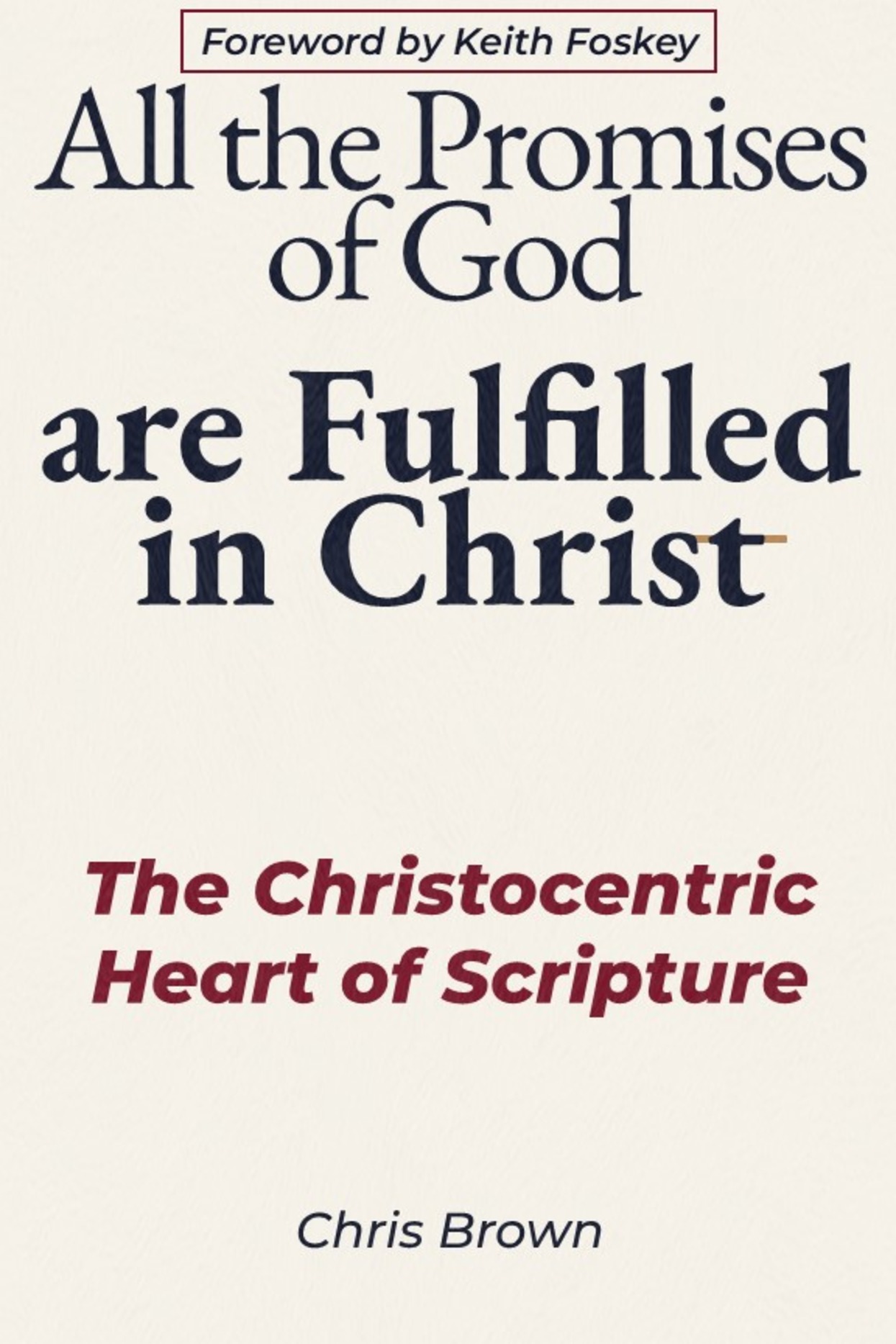
All the Promises of God are Fulfilled in Christ
by Chris Brown
If you found this list of Messianic Psalms helpful you'll find the complete theological framework in All the Promises of God are Fulfilled in Christ.
Available now in paperback, Audible, and Kindle.